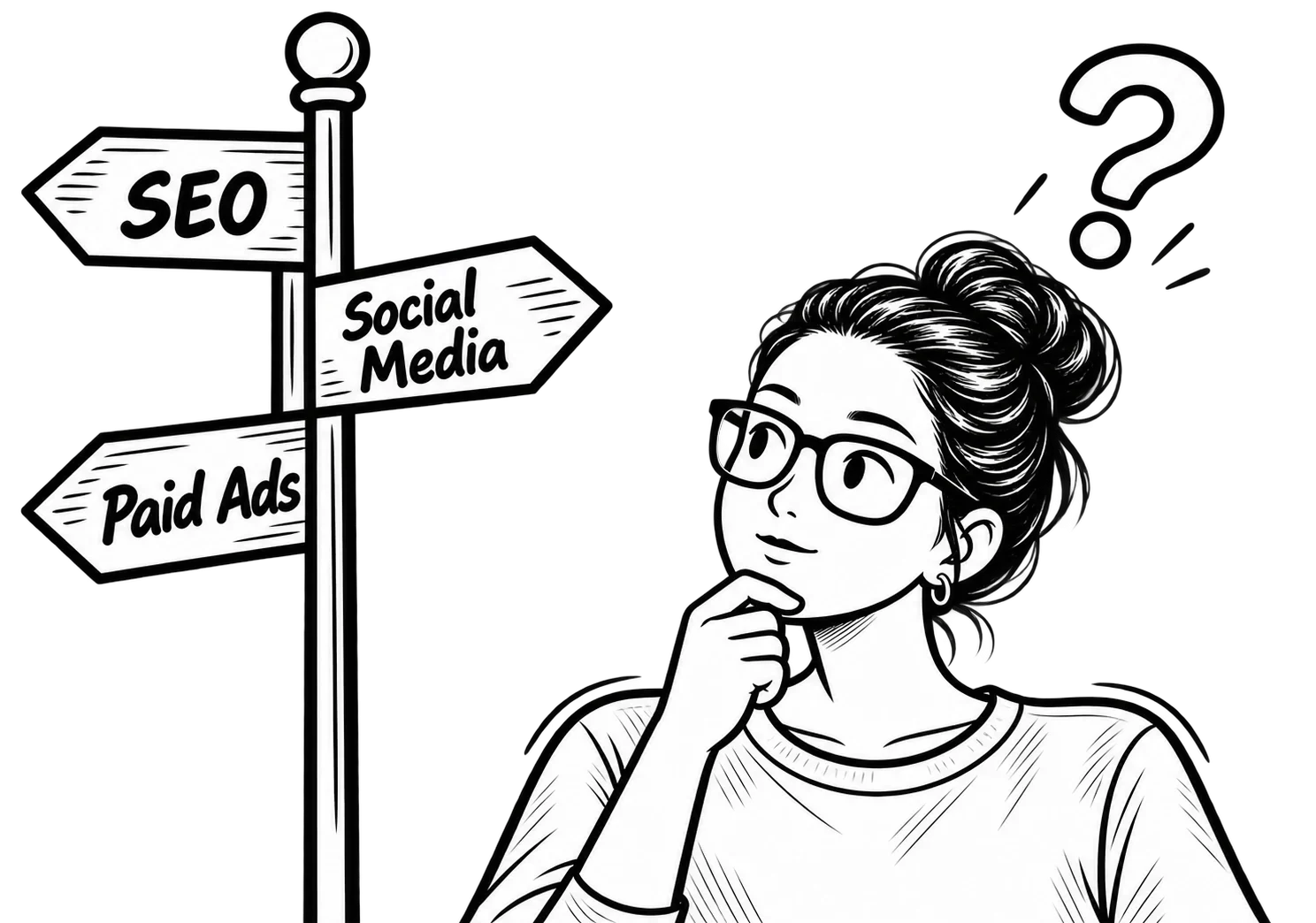
What Makes a Brand Memorable in a Multicultural Market?
What Makes a Brand Memorable in a Multicultural Market?
A memorable multicultural brand needs more than translated messaging. Learn how cultural understanding, brand consistency, authentic representation, and customer experience build stronger connections across communities.

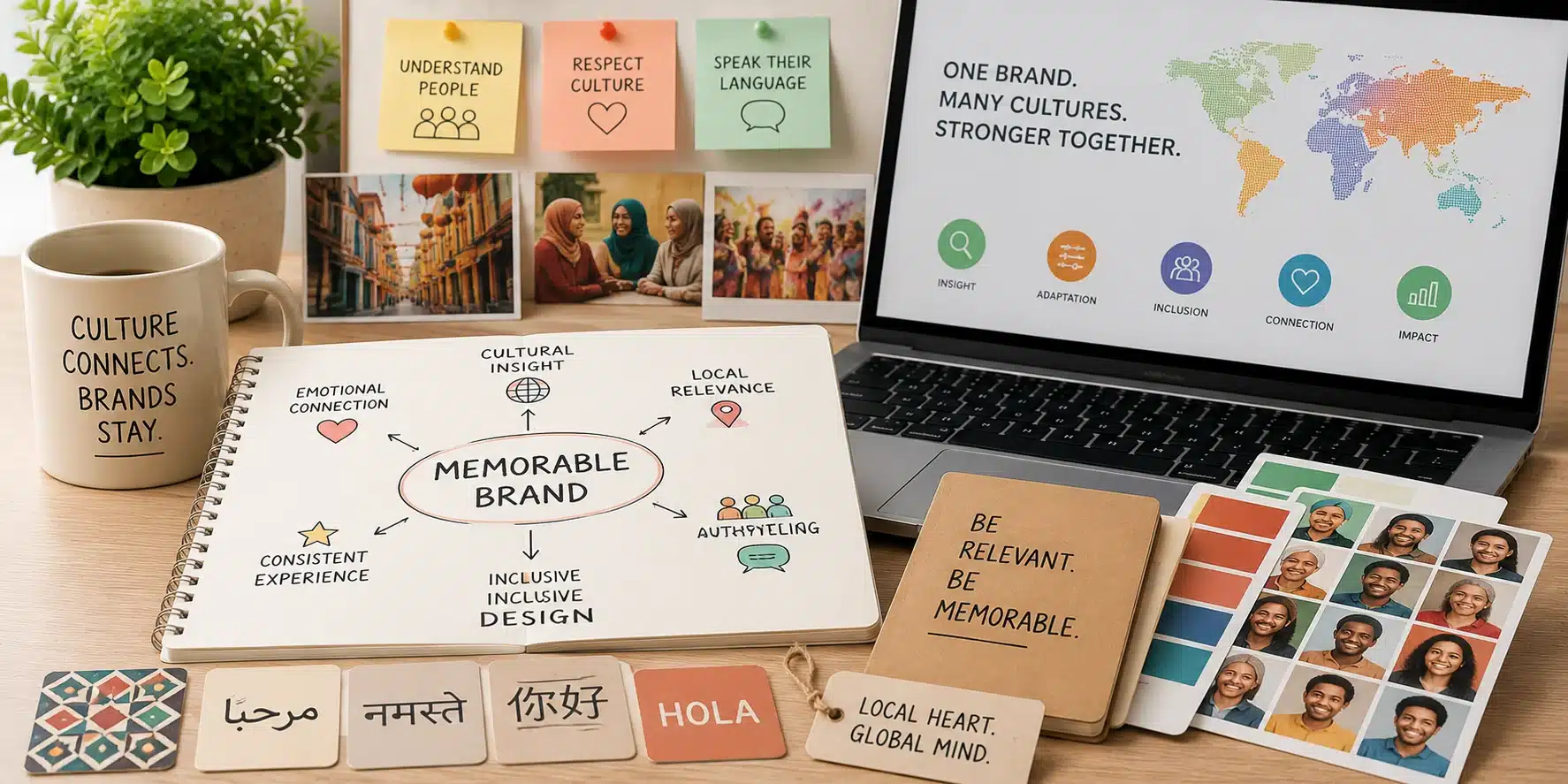
A brand is not a logo. It’s not a color palette or a tagline. A brand is what people think of when they hear your name, and what they tell others when they recommend you.
For businesses serving multicultural audiences, creating that impression requires more than translating a message into another language.
A memorable multicultural brand maintains a recognizable identity while communicating in ways that feel natural, relevant, and trustworthy to the different communities it serves.
That means understanding how people interpret your messaging, what they expect from your business, and whether their experience matches what your marketing promises.
A bilingual advertisement might introduce someone to your business. But if the website, customer service, and follow-up communication don’t support that same audience, the connection doesn’t last very long.
Why Multicultural Branding Requires a Different Approach
Most branding advice assumes you’re communicating with a relatively uniform audience.
Define your brand voice. Choose your colors. Establish your messaging. Apply everything consistently.
Simple enough.
Except audiences don’t interpret every message in exactly the same way.
Language, cultural references, communication styles, and customer expectations can influence how people respond to a brand.
A message that sounds approachable in English may feel awkward when translated directly into Spanish. An image that reflects one community’s experiences may have little relevance to another.
But here’s an important distinction: multicultural marketing isn’t about treating entire cultural groups as if everyone within them thinks alike.
Hispanic consumers, for example, don’t share one universal language preference, purchasing behavior, or cultural identity. Country of origin, generation, location, personal experiences, and individual preferences can all influence how people interact with a business.
Using broad demographic labels as a substitute for understanding your audience is not a strategy. It’s a shortcut, and not a particularly reliable one.
The goal isn’t to create a different brand for every community. It’s to develop one meaningful identity that can be expressed appropriately across the audiences you actually serve.
1. Start With Brand Values, Not Visuals
Before deciding how your brand should look or sound in different markets, establish what it stands for.
Your positioning, values, and commitments provide the foundation that connects your communication across languages and cultures.
Think about what customers should consistently associate with your business.
Is it expertise? Transparency? Reliability? Personalized attention? Community involvement?
Whatever you choose needs to be supported by what your business actually does.
A company that positions itself around exceptional customer service should demonstrate that commitment in every market it serves.
If one audience receives helpful, responsive support while another struggles to get basic information, the brand promise isn’t consistent.
Define What Should Never Change
Ask yourself:
- What problem does our business solve?
- What makes our approach different?
- What do we want customers to remember about us?
- Which values guide how we treat customers?
- What promises can we consistently deliver?
The answers should influence your visual identity, messaging, and customer experience.
A recognizable brand is built on more than appearance. It’s built on expectations the business can meet.
2. Adapt Your Brand Voice Across Languages
Translation and cultural adaptation are not the same thing.
Translation communicates the meaning of words in another language. Cultural adaptation considers whether the message sounds natural, makes sense in context, and creates the intended impression.
A grammatically correct translation can still sound like something no one would actually say.
And customers notice.
Keep the Personality, Adapt the Expression
Imagine a financial services business that wants to communicate professionalism, clarity, and approachability.
Its English content might use short, direct explanations.
Its Spanish content should communicate those same qualities, but the wording, sentence structure, and tone may need adjustment depending on the intended audience.
That doesn’t mean Spanish-speaking customers universally prefer a warmer or more conversational approach.
It means the business should research how its particular audience communicates instead of assuming a literal translation will work.
Humor deserves similar attention. A clever expression in English may lose its meaning or introduce unintended associations in another language.
The objective isn’t to reproduce every sentence. It’s to preserve the brand’s meaning and personality.
Don’t Confuse Language With Cultural Identity
Not every Hispanic consumer prefers Spanish-language marketing. Not every bilingual customer uses both languages in the same situations.
Some people prefer English when researching services but use Spanish when discussing options with family. Others prefer one language consistently.
Those behaviors should be investigated rather than assumed.
Our article on how to build a Spanish-language brand voice explores why the language itself is only one part of creating culturally relevant communication.
3. Keep Your Visual Identity Consistent Without Making It Rigid
Your logo, colors, typography, and overall design system should help customers recognize the same business across markets.
You don’t need a completely different visual identity every time you reach a new audience.
What may need to change is how that identity is expressed through imagery, examples, and content.
Use Imagery That Reflects Your Actual Audience
If your business serves several communities, your photography and creative materials should reflect the people and experiences relevant to those audiences.
But simply placing people from different backgrounds into one stock photo doesn’t automatically communicate cultural understanding.
Representation becomes more meaningful when it’s connected to authentic situations.
For example, a healthcare business could feature realistic patient interactions, communication needs, and services relevant to the communities it serves.
A local restaurant might highlight actual customers, employees, and community activities rather than relying entirely on generic lifestyle images.
Specificity communicates more than decorative diversity.
Maintain Recognition Across Channels
A Spanish-language landing page and an English-language landing page can use different imagery while remaining visually consistent.
Keep recognizable elements such as the logo, typography, primary colors, and overall design approach.
Then adapt the content to the needs of each audience.
For more on that distinction, see how to maintain brand consistency across marketing channels.

4. Build Cultural Relevance Without Performing It
There’s a difference between participating meaningfully in a community and using its culture as a marketing opportunity.
Cultural relevance develops through understanding, involvement, and relationships.
A business that consistently serves bilingual customers, works with community organizations, and includes people familiar with those audiences in its decision-making has a stronger foundation than one that appears only during a cultural celebration.
Cultural Holidays Aren’t a Marketing Strategy
Consider a business that launches a Spanish-language campaign during Hispanic Heritage Month.
For a few weeks, its social media features Spanish captions, cultural imagery, and messages celebrating the community.
Then October ends, and so does its Spanish-language communication.
The problem isn’t participating in Hispanic Heritage Month. It’s treating that participation as proof of an ongoing relationship that the business hasn’t actually built.
One campaign cannot substitute for customer support, accessible information, and consistent engagement.
A cultural calendar can help identify relevant moments. It cannot provide cultural understanding on its own.
Include the Community in the Process
When developing content for a particular audience, involve people who understand its language, cultural context, and everyday experiences.
That could include employees, researchers, writers, community partners, or customers who voluntarily participate in feedback.
Avoid assuming that one person’s perspective represents an entire community.
And don’t expect one bilingual employee to become the company’s translator, cultural consultant, and community outreach department simply because they speak another language.
Effective multicultural branding requires intentional work, not an additional responsibility quietly assigned to whoever happens to be bilingual.
5. Make Sure the Customer Experience Matches the Marketing
This is where many multicultural branding efforts fall apart.
The advertisement looks inclusive. The social media captions are translated. The website offers a language selector.
But what happens when someone actually tries to become a customer?
Can they understand the product information? Complete the contact form? Receive an accurate confirmation? Get answers to their questions?
If the experience stops working after the first click, the marketing promise loses credibility.
Evaluate the Complete Customer Journey
Review the interactions that matter most:
Discovery: Can people find relevant information through the search terms and platforms they actually use?
Website experience: Is important content available in the appropriate language, and can visitors complete the next step?
Sales and inquiries: Can your team respond accurately to people using the communication options you advertise?
Customer support: Are policies, instructions, and assistance understandable and accessible?
Follow-up: Do confirmation emails, appointment details, and other communications maintain the same level of clarity?
For example, offering a Spanish-language contact form is useful only if the business has a reliable process for handling the inquiry.
Otherwise, you’ve made it easier for someone to request help without making it easier for them to receive it.
A Multilingual Website Needs More Than Translated Pages
A language switcher doesn’t automatically make a website culturally relevant or operationally useful.
Navigation, calls to action, forms, automated emails, and support information all contribute to the experience.
Businesses should also consider localization, including formatting conventions and terminology that makes sense for their intended markets.
The goal is not simply to offer another language. It’s to provide a complete, usable experience.
6. Measure Whether Your Brand Is Connecting With the Right Audiences
Brand recognition and trust aren’t always easy to reduce to one metric.
Still, that doesn’t mean multicultural branding should operate without measurement.
Start by identifying what success looks like for the communities you’re trying to reach.
If your objective is to improve access to services, review whether people can find information and successfully complete inquiries.
If you’re expanding into a new market, consider qualified leads, customer feedback, and the performance of relevant landing pages.
Look Beyond Traffic and Engagement
Useful signals may include:
- Traffic to language-specific pages.
- Engagement with relevant content.
- Form completion and inquiry rates.
- Qualified leads from target markets.
- Customer feedback about clarity and communication.
- Repeat business and referrals.
Be careful with interpretation.
More visits to Spanish-language pages don’t automatically prove that customers trust your brand more. Likewise, lower conversions don’t necessarily mean a particular community is less interested.
The issue may be unclear messaging, broken forms, inappropriate targeting, or a disconnect between the content and the next step.
Investigate the experience before drawing conclusions about the audience.
Ask Customers What You May Be Missing
Analytics can tell you where visitors drop off. It won’t always explain why.
Customer interviews, usability testing, surveys, and conversations with community partners can reveal issues that aren’t obvious in dashboards.
Ask whether the content is understandable, whether the tone feels appropriate, and whether customers can complete the actions they came to perform.
Use those findings to improve the experience instead of relying on cultural assumptions.
7. Build a Consistent Multicultural Brand Strategy
A memorable brand needs more than individual campaigns that happen to target different audiences.
It needs a coordinated approach.
Start by identifying the specific communities your business serves and what you know about their needs.
Then connect that understanding to your positioning, messaging, content, and customer experience.
Before expanding into additional languages or markets, confirm that you have the resources to support them consistently.
That includes content development, website maintenance, communication workflows, and people who can provide appropriate customer support.
You don’t need to launch everything at once.
A smaller, well-supported multilingual experience can be more valuable than an ambitious campaign that the business cannot maintain.
For a broader planning framework, explore Marketing Strategy for Small and Mid-Size Businesses.
What Actually Makes a Multicultural Brand Memorable?
The answer isn’t a particular color palette, cultural reference, or translated slogan.
It’s the combination of a recognizable identity, relevant communication, and a customer experience that consistently supports the people your business wants to serve.
Different audiences may connect with different aspects of your brand. That’s expected.
The objective is to preserve what makes the business distinctive while understanding how to communicate that value appropriately.
And if the marketing promises inclusion, accessibility, or personal attention, the business needs to deliver those things beyond the advertisement.
A brand becomes memorable when people recognize it, understand what it stands for, and have experiences worth remembering.
For businesses building a more cohesive identity across languages and markets, MoDuet’s branding and identity services can help connect brand strategy, messaging, and customer experience.