What’s Working in Social Media Marketing (And Why It Still Works)
What’s Working in Social Media Marketing (And Why It Still Works)
Social media platforms keep changing, but some strategies continue to deliver value. Discover how authentic content, community engagement, short-form video, and social commerce can help your business connect with customers and drive results.


Social media changes constantly, but the strategies that help businesses connect with customers are surprisingly consistent.
Authentic content, meaningful conversations, short-form video, and easier shopping experiences continue to be effective approaches to social media marketing. What has changed is how audiences discover content, what platforms prioritize, and how quickly people expect to find useful information.
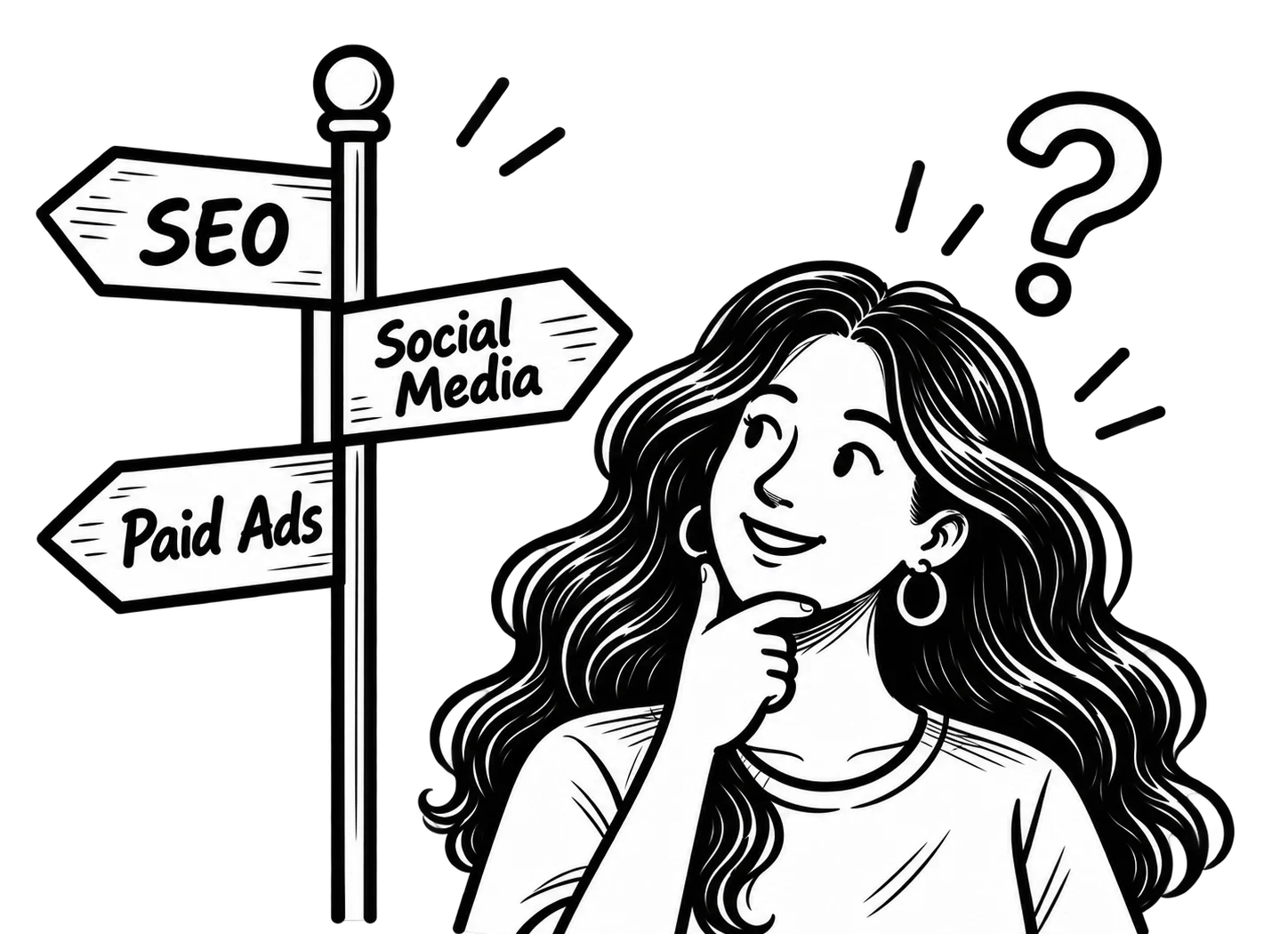
For small businesses, the challenge is not keeping up with every trend. It is knowing which strategies deserve attention and how to use them without turning social media into another full-time job.
Let’s look at four approaches that continue to matter, why they work, and how to make them useful for your business.
1. Authentic, Original Content Gives People a Reason to Pay Attention
Perfectly polished content is not necessarily bad. But professional production alone does not give people a reason to care.
Audiences want content that feels relevant, interesting, and connected to the businesses or people creating it.
That is why authentic, low-production content can be so effective.
Think short videos filmed on a phone, behind-the-scenes moments, honest product demonstrations, and actual employees sharing what they know.
For example, imagine a local bakery sharing a quick video of its team decorating cakes in the morning. You can hear the kitchen in the background, see the work happening, and get a sense of the people behind the business.
The video might not look like a commercial, but it communicates something useful: these are real people making real products.
That kind of content can be more memorable than another generic promotional graphic.
Originality matters more than production value
There is also a difference between authentic content and simply making everything look casual.
A business does not need to deliberately produce messy videos to seem relatable. The goal is to create something original that represents the business well.
Platforms are placing more emphasis on originality, too. In March 2026, Meta explained that Facebook is prioritizing original content and reducing the distribution of unoriginal material.
That does not mean every post needs to be filmed from scratch. It means businesses should offer something genuinely useful or distinctive instead of constantly recycling content that already exists elsewhere.
How to make it work for your business
- Show how your products are made, prepared, installed, or used.
- Introduce the people behind your business.
- Answer customer questions in short videos.
- Share real customer experiences with permission.
- Use your own examples, expertise, and perspective.
- Choose a level of production that matches the message.
Do not confuse authenticity with a lack of planning. A simple video can still benefit from a clear message, readable captions, and a reason for someone to keep watching.
2. Community Building Is More Valuable Than Constant Broadcasting
Social media is called social for a reason, but plenty of business accounts still treat it like a digital bulletin board.
New product. Holiday announcement. Special offer. Another special offer.
There is nothing wrong with promotional content. Customers sometimes want to know what is on sale or what services are available.
The problem starts when promotion is the only thing a business shares.
People are more likely to develop a connection with a business when they feel recognized, heard, or involved.
Community building creates opportunities for those interactions.
It might happen through Instagram comments, Facebook Groups, LinkedIn discussions, YouTube communities, or conversations around content that customers genuinely care about.
A dedicated group can be useful for some businesses, but it is not a requirement. A business can build meaningful relationships simply by participating consistently in the conversations already happening around its content.
Engagement is more than collecting likes
A post with hundreds of likes might create awareness. A post with a handful of thoughtful comments from potential customers might reveal something more valuable.
For example, a local fitness studio could share a short workout tip and ask followers which exercises they find most challenging.
The responses create a conversation, but they also help the studio understand what its audience wants to learn.
That insight can influence future content, classes, and services.
Community engagement becomes more useful when businesses listen to what people are saying instead of treating every interaction as another number in a monthly report.

How to make it work for your business
- Ask specific questions that invite genuine responses.
- Respond to relevant comments and messages.
- Share customer stories and user-generated content with permission.
- Recognize loyal customers and community members.
- Participate in relevant local or industry conversations.
- Use audience feedback to guide future content.
If you are considering a private community, make sure there is a real reason for people to join and enough time to maintain it.
Creating a Facebook Group is easy. Giving people a reason to return is the actual work.
3. Short-Form Video Remains One of the Most Useful Content Formats
Short-form vertical video continues to be an important format across TikTok, Instagram Reels, Facebook Reels, and YouTube Shorts.
It works particularly well for showing processes, explaining ideas, demonstrating products, and introducing people to a business.
Video gives audiences information they might not get from a static image.
A hardware store could demonstrate a quick home repair.
A landscaping company could show the transformation of a yard.
A restaurant could share how a popular dish is prepared.
A marketing agency could answer a common question in under a minute.
Each example provides something specific for the viewer.
Short does not automatically mean effective
Creating a 15-second video does not guarantee that anyone will watch it.
The topic, opening, pacing, clarity, and value matter more than hitting an arbitrary duration.
Some ideas work well in 20 seconds. Others need two minutes.
The right length is the one that communicates the information without wasting the viewer’s time.
Trending audio and effects can help certain videos fit naturally into a platform’s culture, but they should not be the entire content strategy.
A trend that makes sense for a beauty brand might feel completely out of place for a financial consulting firm.
And that is fine.
Not every business needs to participate in every trend.
How to make it work for your business
Start with questions your customers already ask.
Turn those questions into videos that provide a direct, useful answer.
For example:
- “What’s the difference between these two products?”
- “How long does this service usually take?”
- “What should customers know before booking?”
- “What does the installation process look like?”
- “What are the most common mistakes people make?”
Film vertically when creating content specifically for mobile-first video platforms. Use captions, make the main point clear early, and show what you are explaining whenever possible.
You can also repurpose useful ideas across multiple formats. A longer tutorial might become several short clips, a carousel, or a supporting blog post.
If you need a more structured way to organize these ideas, building a social media content calendar can help you maintain consistency without creating every post at the last minute.
The goal is not to produce more videos than everyone else. It is to create videos your audience has a reason to watch.
4. Social Commerce Is Making the Path From Discovery to Purchase Shorter
Social media is increasingly part of how people discover, evaluate, and purchase products.
Someone might see a product in a Reel, read comments from other customers, visit the brand’s profile, and decide to buy.
The opportunity for businesses is to make that transition as easy as possible.
Social commerce includes shopping experiences that connect social content with product discovery and purchasing.
That can involve product tags, social storefronts, creator recommendations, and links to online stores.
But the buying experience depends on the platform, location, eligibility, and available integrations.
For example, Shopify’s Instagram Shopping documentation explains how eligible merchants can tag products in posts and stories, allowing customers to explore products on Instagram and proceed to the merchant’s online checkout.
So while shopping may begin on social media, it does not necessarily finish there.
Make the next step easy
Imagine a clothing boutique posting a video featuring a new collection.
The video catches someone’s attention, but interest alone does not produce a sale.
The potential customer still needs to know what the items cost, whether their size is available, and where to purchase.
Product tags or clear shopping links can make those answers easier to find.
For service businesses, the path might be different.
A roofing company probably is not selling a roof through an Instagram product tag.
Its next step might be a quote request, phone call, or consultation.
The principle is the same: make it easier for interested people to take the next logical action.
How to make it work for your business
- Use product tags where supported and relevant.
- Make pricing and product details easy to find.
- Link to the most relevant product or service page.
- Keep your inventory and product information accurate.
- Make sure your website works well on mobile devices.
- Give service-based customers a clear way to request information.
- Track whether social traffic leads to purchases, inquiries, or other meaningful actions.
For online stores, your social content and website should support each other. Our guide to social media strategies for e-commerce explores additional ways to connect content with product discovery and sales.
A good social post can create interest. A good shopping experience makes it easier to act on that interest.
What Actually Makes These Strategies Work?
These four approaches look different, but they have something important in common.
They focus on what people are trying to accomplish when they use social media.
Sometimes people want entertainment. Sometimes they are looking for advice, comparing products, checking reviews, or deciding whether a business seems trustworthy.
Successful content meets those needs instead of expecting everyone to be ready for a sales pitch.
That requires understanding both your audience and the role each platform plays.
Choose platforms based on your audience
A business does not need to be equally active on TikTok, Instagram, Facebook, LinkedIn, and YouTube.
Different platforms support different types of content, conversations, and customer behavior.
Start by understanding where your audience spends time and how people use those platforms.
If you are unsure where to focus, our guide on choosing the right social media platforms for your business can help you narrow your options.
A smaller, well-managed presence is often more useful than maintaining several accounts simply because they exist.
Give your content a clear purpose
Not every social media post should sell something directly.
Some posts introduce your business to new people. Others build credibility, answer questions, encourage discussion, or help customers make decisions.
Those are all legitimate goals.
The key is understanding what each piece of content is supposed to accomplish.
A behind-the-scenes video might build awareness and familiarity.
A tutorial might demonstrate expertise.
A customer story might build confidence.
A product demonstration might encourage someone to explore an item further.
Once you understand the purpose, it becomes easier to choose the right format and call to action.
Measure more than engagement
Likes, comments, shares, and views can help you understand how people respond to content.
But they do not tell the whole story.
Look at performance in relation to your goals.
If you are building awareness, reach and relevant audience growth may matter.
If you want stronger engagement, meaningful comments, shares, and conversations can provide useful signals.
If the objective is generating business, look at website visits, qualified inquiries, bookings, and sales where you can measure them reliably.
One popular post does not necessarily mean a strategy is working. And one quiet post does not necessarily mean it failed.
Look for patterns over time.
How to Build a Social Media Strategy That Lasts
You do not need to implement all four approaches at once.
Start by identifying what your business needs most.
If your social profiles feel impersonal, focus on original content that shows the people and work behind your business.
If people view your posts but rarely interact, create more opportunities for useful conversations.
If you have valuable knowledge but struggle to communicate it, test short educational videos.
If your content attracts product interest but few purchases, review the path between discovery and checkout.
Then establish a realistic content schedule.
Use recurring themes, plan content in batches, and leave room for spontaneous posts when something relevant happens.
Revisit your results regularly and adjust based on what your audience responds to.
The strategies that last are not necessarily the flashiest. They are the ones your business can maintain, your audience finds valuable, and your results give you a reason to continue.
The Best Social Media Strategy Is One Your Audience Cares About
Social media platforms will keep introducing new formats, tools, and algorithms. Some changes will create opportunities. Others will come and go without making much difference to your business.
Authentic content, community interaction, useful video, and easier purchasing experiences remain valuable because they address fundamental customer needs.
People want information they can trust, content worth their attention, and simple ways to interact with businesses.
Instead of trying to predict the next big trend, focus on understanding your audience, creating content that serves a purpose, and making it easier for people to connect with your business.
The goal is not to be the busiest account in someone’s feed. It is to be one they have a reason to remember.