How to Set Up a Customer Loyalty Program on Shopify
How to Set Up a Customer Loyalty Program on Shopify
A Shopify loyalty program can encourage repeat purchases, referrals, and stronger customer relationships. Learn how to choose rewards, select the right app, automate the experience, and measure what works.

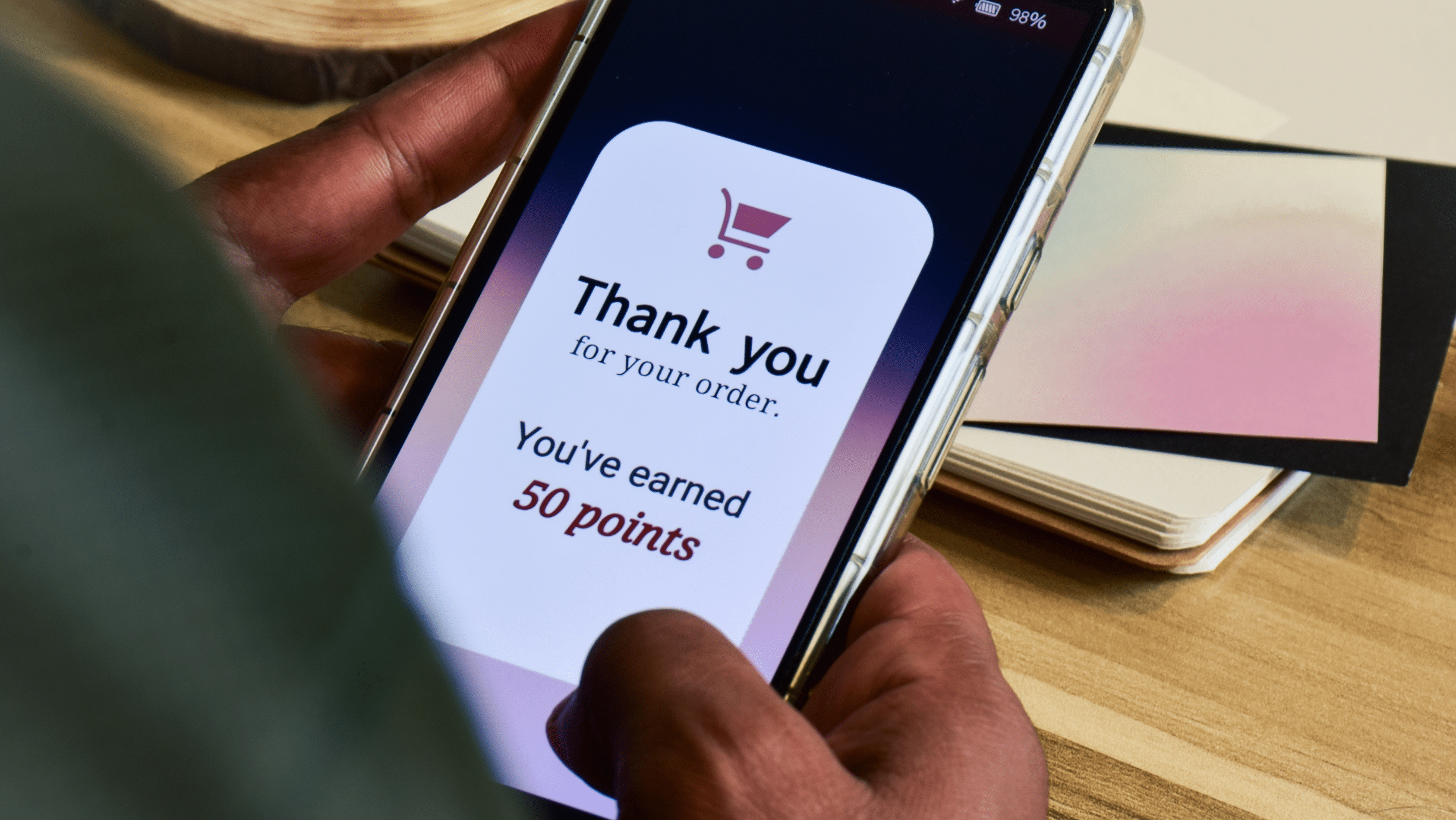
Your best customers are not always the ones you still need to find.
They may already be shopping with you.
A customer loyalty program gives those customers a reason to return by rewarding behaviors such as repeat purchases, referrals, reviews, or reaching a spending milestone.
For Shopify stores, that can take many forms. Some programs use points. Others use VIP tiers, store credit, referral rewards, exclusive access, or a combination of several approaches.
The important part is not having a loyalty program just because other stores have one.
It is designing one that makes sense for your customers and your margins.
Why a Customer Loyalty Program Can Be Worth It
Customer acquisition matters, but growth becomes difficult when every new sale depends on finding another first-time buyer.
Retention gives e-commerce businesses another path.
A good loyalty program can encourage customers to purchase again, increase their engagement with the brand, refer other shoppers, or choose your store when they could easily buy somewhere else.
Shopify’s current loyalty guidance emphasizes the same idea: rewards programs work best when they are built around specific customer behaviors and business goals rather than simply distributing discounts.
The program also gives you another way to recognize customers who already support the business.

Step 1: Decide What You Want the Program to Accomplish
Before choosing an app or assigning point values, decide what you actually want customers to do more often.
That goal should shape the program.
Choose the Behaviors You Want to Reward
Depending on your store, you might reward customers for:
- Making a purchase
- Reaching a spending threshold
- Purchasing repeatedly
- Referring a friend
- Leaving a review
- Joining your email or SMS list
- Celebrating a birthday
- Engaging with a specific promotion
Not every business needs to reward every action.
If repeat purchases are your priority, make purchasing the center of the program. If referrals matter more, put more value behind successful referrals.
The rewards should support the behavior you want to encourage.
Choose the Type of Loyalty Program
Common structures include:
Points programs: Customers earn points and exchange them for rewards.
Tiered programs: Customers unlock higher levels of benefits as they spend or engage more.
Referral programs: Existing customers earn something when they bring in a new customer.
Store credit programs: Rewards feel more like money customers can apply toward a future purchase.
VIP or membership programs: Customers receive benefits such as early access, exclusive products, free shipping, or special pricing.
You can combine models, but starting simple usually makes the program easier for both customers and your team to understand.
Step 2: Choose the Right Shopify Loyalty App
Shopify does not provide a complete native points-and-rewards system for every store out of the box. Merchants typically use a loyalty app to manage features such as points, rewards, referrals, and VIP tiers.
Shopify’s current guidance highlights options including Smile.io, Rivo, and Yotpo, among others. Shopify POS also relies on third-party loyalty apps when merchants want customers to earn and redeem rewards across online and in-person purchases.
Do not choose an app only because it has the longest feature list.
Choose the one that fits how your store actually operates.
Compare the Features You Will Really Use
Before installing an app, look at:
- Points and reward options
- VIP tiers
- Referral features
- Customer account integration
- Shopify POS support if you sell in person
- Email and SMS integrations
- Shopify Flow support
- Subscription integrations if applicable
- Reporting and analytics
- Branding and customization
- Pricing as your customer base grows
It is also worth checking whether the app works cleanly with the other systems already running your store.
Adding more apps is not automatically better. The right integrations should make the customer experience simpler, not create another disconnected system.
If your Shopify setup has become difficult to manage, the same principle applies to the rest of your store: choose the tools that support the customer journey rather than installing apps simply because they are popular.
Step 3: Design Rewards Customers Can Understand
Once you have chosen the structure and technology, decide how customers will earn and redeem rewards.
Keep the math easy to understand.
Set a Sustainable Point Value
A simple program might award one point for every dollar spent.
The important question is what those points eventually become.
For example:
- $1 spent = 1 point
- 100 points = $5 reward
That effectively returns 5% of qualifying spending to the customer.
Whether that makes sense depends on your margins, average order value, purchase frequency, and other promotions.
A store with thin margins may want to offer perks that have strong perceived value without relying entirely on discounts.
That could include:
- Early access to new products
- Exclusive products
- Birthday rewards
- Member-only events
- Free samples
- Priority access during sales
- Free shipping after reaching a certain level
The customer should feel that the reward is worth earning without the program becoming expensive to operate.
Use VIP Tiers Only When They Add Something
Tiers can be useful when you have enough repeat customers to make progression meaningful.
For example:
Member: Standard points and rewards
VIP: Faster earning plus early access
Premium: Higher earning rate plus exclusive perks
But do not create five tiers simply because the app allows it.
If customers cannot quickly understand what they need to do and what they receive in return, complexity can work against the program.
Step 4: Build the Loyalty Experience Into Shopify
A loyalty program should feel like part of the store, not like an unrelated widget attached to it.
That means thinking beyond the app settings.
Make Rewards Easy to Find in Customer Accounts
Shopify customer accounts can be extended with apps, including additional blocks and pages inside the account experience. This gives compatible loyalty apps a place to show information such as rewards or other customer-specific features without forcing shoppers into a completely separate experience.
Make sure customers can easily understand:
- Their current points or status
- What they can redeem
- How to earn more
- When rewards expire, if applicable
- What benefits their tier includes
If customers cannot find their rewards, they are much less likely to use them.
Use Shopify Flow for Useful Automations
Shopify Flow can connect store activity to automated actions, and Shopify specifically provides loyalty workflow examples through integrations with loyalty apps.
Those workflows can support actions such as rewarding points, tagging customers based on spending, reacting to tier changes, or triggering other marketing activity.
For example, a workflow could identify customers who cross a lifetime spending threshold and move them into a VIP segment.
That segment could then receive different email messaging or offers.
The automation should support the strategy rather than create unnecessary messages every time a customer earns a few points.
Step 5: Promote the Program
Customers cannot participate in a program they barely know exists.
Do not hide it in the footer and assume people will find it.
Explain It on Your Website
Create a clear loyalty page that answers:
- How do I join?
- How do I earn rewards?
- What can I redeem?
- Are there tiers?
- Do points expire?
- Where can I see my balance?
Keep the explanation simple enough that someone can understand the basics without reading a long terms-and-conditions document.
Introduce It Through Email
Your existing customers are one of the most logical audiences for a loyalty program launch.
Tell them what the program is, why you created it, and what they gain by joining.
After launch, email automation can also support the program with messages tied to meaningful events, such as reaching a reward, moving into a new tier, or approaching a benefit.
That works particularly well when loyalty communication is part of a broader email funnel rather than a collection of unrelated promotions.
Promote It Where Customers Already Interact With You
Depending on your business, that might include:
- Social media
- Order confirmation pages
- Packaging inserts
- Post-purchase emails
- Your physical store
- Customer service conversations
- Product launches
The goal is not to mention the program everywhere all the time.
It is to introduce it at moments when the customer has a reason to care.
Step 6: Measure Whether the Program Is Actually Working
Launching the program is the beginning, not the finish line.
You need to know whether loyalty members are behaving differently from customers who are not participating.
Useful metrics can include:
- Repeat purchase rate
- Redemption rate
- Purchase frequency
- Average order value
- Customer lifetime value
- Referral conversions
- Enrollment rate
- Revenue from loyalty members
- Member versus non-member retention
Do not assume a high number of issued points means the program is successful.
If customers earn rewards but rarely redeem them, the benefits may not feel valuable enough.
If members redeem rewards but do not purchase more frequently or stay longer, the program may simply be discounting purchases that would have happened anyway.
The goal is to create incremental value for both the customer and the business.
A Simple Shopify Loyalty Program Example
Imagine an online coffee store with customers who typically reorder every four to six weeks.
Instead of launching a complicated four-tier program, the store starts with:
- 1 point for every $1 spent
- 100 points = $5 reward
- Bonus points for successful referrals
- A birthday reward
- Early access to limited seasonal coffees for members
Customers can see their rewards through their account, while automated emails remind them when they have earned something worth redeeming.
After several months, the store compares repeat purchase frequency and average order value between loyalty members and other customers.
If the program is working, it can then test additional benefits or a VIP tier.
If it is not, the business has enough data to adjust the rewards before adding more complexity.
That is a much stronger approach than launching an elaborate program before knowing what customers actually value.
Start Simple and Improve the Program Over Time
A successful Shopify loyalty program does not need dozens of rules, rewards, and tiers.
Start with the customer behavior you want to encourage.
Choose a loyalty app that works with the rest of your Shopify setup. Make the reward easy to understand. Integrate it naturally into customer accounts and communication. Then measure whether members actually purchase more often, stay longer, or refer more customers.
As you learn what customers respond to, you can expand the program.
The best loyalty program is not necessarily the one with the most features.
It is the one customers understand, use, and have a reason to come back to.