5 Ways to Drive More Traffic to Your Business Website
5 Ways to Drive More Traffic to Your Business Website
More website visits don't always mean more customers. Explore five ways to drive relevant traffic to your business website and learn which metrics reveal what's working.


Getting more traffic to your business website takes more than publishing content and hoping people find it. You need to understand where your potential customers spend time, what they’re searching for, and which channels actually bring them to your site.
Social media, search engine optimization (SEO), content marketing, email marketing, and strategic partnerships can all help increase website traffic. But they don’t produce the same results for every business.
A channel might bring hundreds of visitors without generating a single lead, while another brings fewer visitors who are ready to make a purchase or request a service.
The goal isn’t simply to increase website visits. It’s to attract people who are likely to become customers.
Here are five ways to bring more visitors to your website, along with what to measure to determine whether those efforts are working.
1. Use Social Media to Give People a Reason to Visit Your Website
Social media can introduce your business to new audiences, maintain relationships with existing customers, and direct people toward useful resources on your website.
However, social media engagement doesn’t automatically translate into website traffic.
Someone might enjoy your Instagram Reel or LinkedIn post without having a reason to leave the platform. That’s why your content needs a clear purpose.
Instead of simply sharing a link to your homepage, give people something specific to explore.
For example:
- A home renovation company could share a before-and-after video and link to a detailed project gallery.
- An accounting firm could answer a common tax question and direct readers to a more comprehensive guide.
- An online retailer could demonstrate a product and link directly to its product page.
- A local service business could share customer questions and direct people to a relevant service page.
These approaches connect the social media post to something useful on your website.
What to Measure
Look beyond likes, shares, and follower growth.
In Google Analytics 4 (GA4), review traffic from social platforms and compare:
- Sessions from social media.
- Engagement rate.
- Key events, such as form submissions or purchases.
- Landing pages receiving social traffic.
If your posts generate engagement but few website visits, evaluate the reason someone would click. If people are visiting but not taking action, review the landing page before assuming the social strategy isn’t working.
2. Improve SEO to Attract People Already Searching for Your Services
Search engine optimization helps people discover your website when they’re looking for information, products, or services related to your business.
Unlike a social media post that may lose visibility quickly, a useful page can continue attracting search traffic over time.
However, not all search traffic has the same value.
Consider two searches:
- “What is a roof inspection?”
- “Roof inspection company in Louisville”
The first suggests someone looking for information. The second is more likely to indicate someone looking for a service provider.
Both searches can be valuable, but they serve different purposes.
Your SEO strategy should account for those differences.
Start With Search Intent
Review the questions potential customers ask before making a purchase or contacting your business.
Then make sure your website has pages that address those needs.
This might include:
- Service pages explaining what you offer and where.
- Product pages answering purchasing questions.
- Educational articles covering common problems.
- Comparison pages helping customers evaluate options.
- Frequently asked questions that clarify the buying process.
Google’s SEO Starter Guide emphasizes creating useful, well-organized content that helps both visitors and search engines understand a website.
Technical factors matter, too. Slow pages, indexing problems, poor mobile usability, and confusing navigation can make it harder for people to find and use your content.
What to Measure
Use Google Search Console to review organic clicks, impressions, and the search queries associated with your pages.
Then use GA4 to examine what organic visitors do after arriving.
For example, an article may receive plenty of organic clicks but generate few leads. That doesn’t automatically make it unsuccessful. The page may serve an informational audience rather than people ready to buy.
The next question is whether it provides a useful path toward related services or resources.
SEO performance becomes more meaningful when you understand both the search intent and the actions visitors take afterward.
3. Create Helpful Content That Gives People a Reason to Return
Content marketing gives your business opportunities to answer questions, demonstrate expertise, and connect with potential customers at different stages of their decision-making process.
But publishing more content isn’t necessarily the solution to low website traffic.
A useful article that answers a specific customer question can be more valuable than several posts covering topics your audience has little interest in.
Start by identifying the information people actually need.
Turn Customer Questions Into Content
Your customer service conversations, sales calls, and frequently asked questions are useful starting points.
For example, a business selling commercial equipment might create content explaining:
- How to choose the right equipment.
- Common maintenance mistakes.
- Differences between available models.
- What to consider before requesting a quote.
Each topic addresses a different question and creates another opportunity for someone to discover the website.
You can also repurpose existing information.
A webinar might become a written guide. A customer question could become a short tutorial. A detailed article could provide material for several social media posts.
The goal is to make existing knowledge easier to find and use, not simply produce more content.
A content marketing strategy helps connect those topics to specific audience needs.
What to Measure
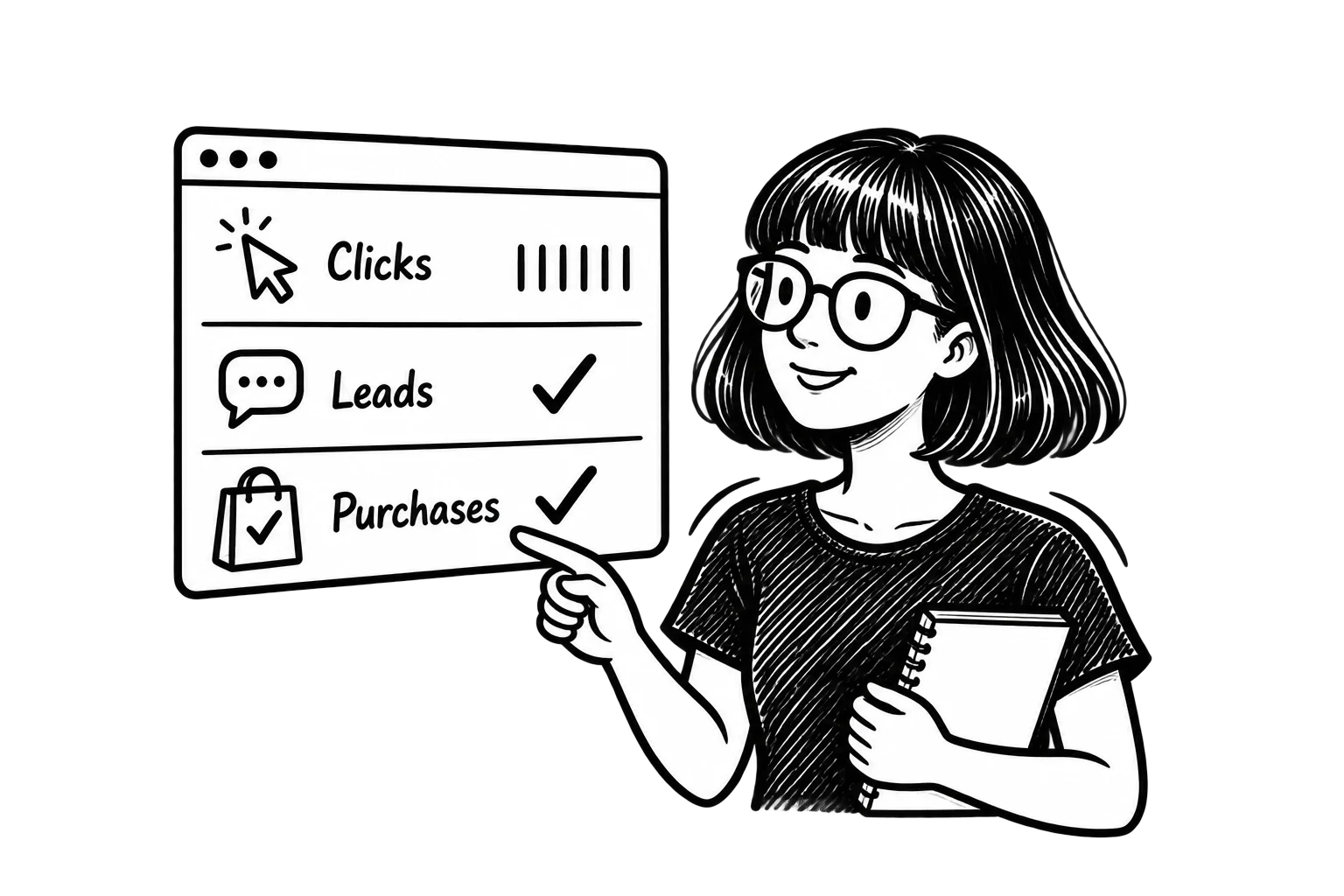
Don’t evaluate content only by page views.
Also consider:
- Organic search clicks.
- Engagement with the article.
- Visits to related service or product pages.
- Newsletter signups or other relevant key events.
- Leads influenced by content interactions.
An article that attracts fewer visitors but consistently helps them explore your services may provide more business value than one with higher traffic and little meaningful engagement.
4. Use Email Marketing to Bring Visitors Back
Email marketing gives your business a way to reconnect with people who have already shown interest.
Instead of relying entirely on search engines or social media algorithms, you can communicate with subscribers who have chosen to hear from you.
That makes email particularly useful for encouraging return visits.
The key is to send people to content or offers that match their interests.
Give Every Email a Clear Purpose
Different types of emails can support different goals.
Welcome emails can introduce new subscribers to your most useful resources, products, or services.
Educational newsletters can share helpful articles, updates, and practical information.
Promotional campaigns can direct interested customers to relevant offers or product pages.
Follow-up emails can reconnect with people who expressed interest but haven’t taken the next step.
Not every email needs to push a sale. But it should give recipients a clear reason to visit your website.
For example, a monthly newsletter featuring three articles might generate clicks, but a focused email built around one timely question could make the next action easier to understand.
The better choice depends on the audience and campaign objective.
What to Measure
Email open rates provide limited information, particularly because email privacy features can affect tracking.
Website activity is often more useful.
Review:
- Email click-through rates.
- Sessions from email campaigns.
- Engagement with the destination page.
- Form submissions, bookings, or purchases.
- Unsubscribes and other signs that messaging may be misaligned.
Use consistent UTM parameters in your links so GA4 can identify which campaigns brought visitors to your website.
Google’s campaign URL documentation explains how to track campaign sources, mediums, and names.
5. Build Partnerships That Connect You With Relevant Audiences
You don’t always need to build an audience entirely on your own.
Working with businesses, industry organizations, creators, and community partners can introduce your website to people who might not discover it through your existing marketing channels.
The most effective opportunities are usually based on audience relevance rather than audience size alone.
For example, a local interior designer might collaborate with a home renovation contractor. Both businesses reach people interested in improving their homes, but they provide different services.
A collaboration could include a joint article, educational webinar, shared resource, or featured project.
Other opportunities include:
- Contributing useful content to industry publications.
- Participating in relevant local business organizations.
- Creating educational resources with complementary businesses.
- Appearing on podcasts that reach your potential customers.
- Working with niche creators whose audiences align with your products or services.
These activities can generate referral traffic while increasing awareness of your business.
What to Measure
Before agreeing to a partnership, establish what success would look like.
For a sponsored collaboration, that might mean referral visits, leads, purchases, or cost per acquisition.
For a webinar or professional partnership, you might also consider registrations, qualified inquiries, and follow-up conversations.
Track links when possible and review referral traffic in GA4.
A partnership that generates thousands of impressions but no relevant website activity may not deserve the same investment as one that produces a smaller number of qualified leads.
How to Find Out Which Traffic Sources Are Working
Once you’ve started using multiple channels, the next step is understanding how they perform together.
You don’t need an overly complicated reporting system to get started.
In GA4, navigate to Reports > Acquisition > Traffic acquisition to see how visitors reach your website.
Review your major traffic channels and compare their performance.
| Metric | What It Tells You | What to Check Next |
|---|---|---|
| Sessions | How much traffic reaches your site | Which channels and pages receive it |
| Engagement rate | How often visits meet GA4’s engagement criteria | Whether visitors are finding relevant content |
| Key events | How frequently tracked important actions occur | Which channels contribute to business goals |
| Key event rate | The share of sessions or users associated with a key event, depending on the metric | Whether traffic quality differs between channels |
| Revenue | Sales attributed to tracked activity | Which campaigns and channels support sales |
Make sure your key events reflect meaningful business actions. Tracking every button click as a success can make reporting look impressive without explaining performance.
Compare Results Against Your Goals
Imagine your social media campaigns bring in 1,000 visitors and generate five inquiries, while organic search brings in 400 visitors and generates 20 inquiries.
Social media delivered more traffic, but organic search produced more leads from fewer visits.
That doesn’t necessarily mean you should stop using social media. It may be contributing awareness or influencing customers before they search for your business.
The useful question is what role each channel plays and whether its results justify the investment.
For a deeper look at this problem, read Why Is My Website Getting Traffic but No Customers?.
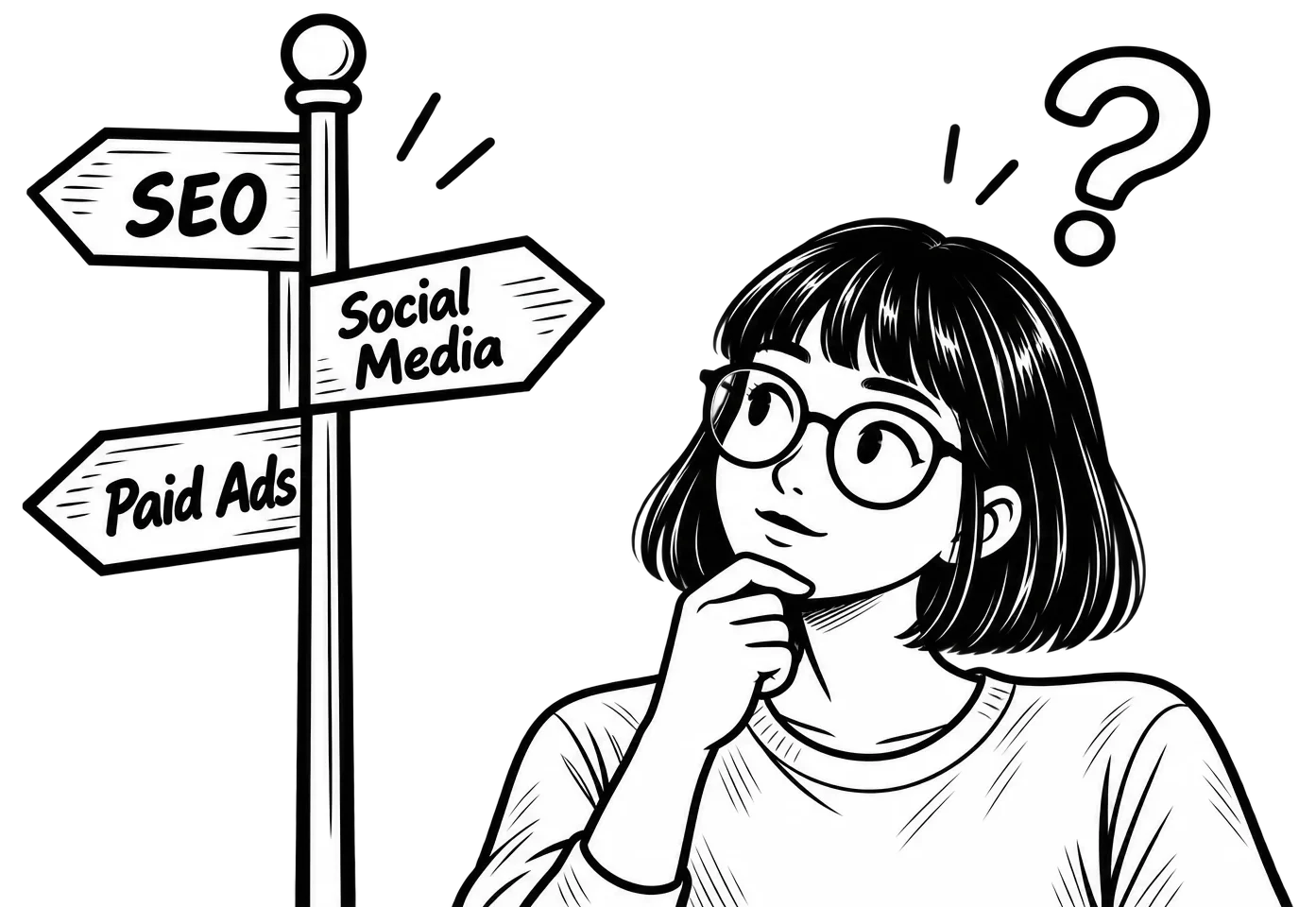
Which Website Traffic Strategy Should You Start With?
The answer depends on your current website performance, available resources, and business goals.
If people are searching for your services but can’t find your website, improving SEO may be the priority.
If your existing customers rarely return, email marketing may offer a practical opportunity.
If your website has limited visibility and you already have an engaged audience, social media and partnerships may help introduce more people to your content.
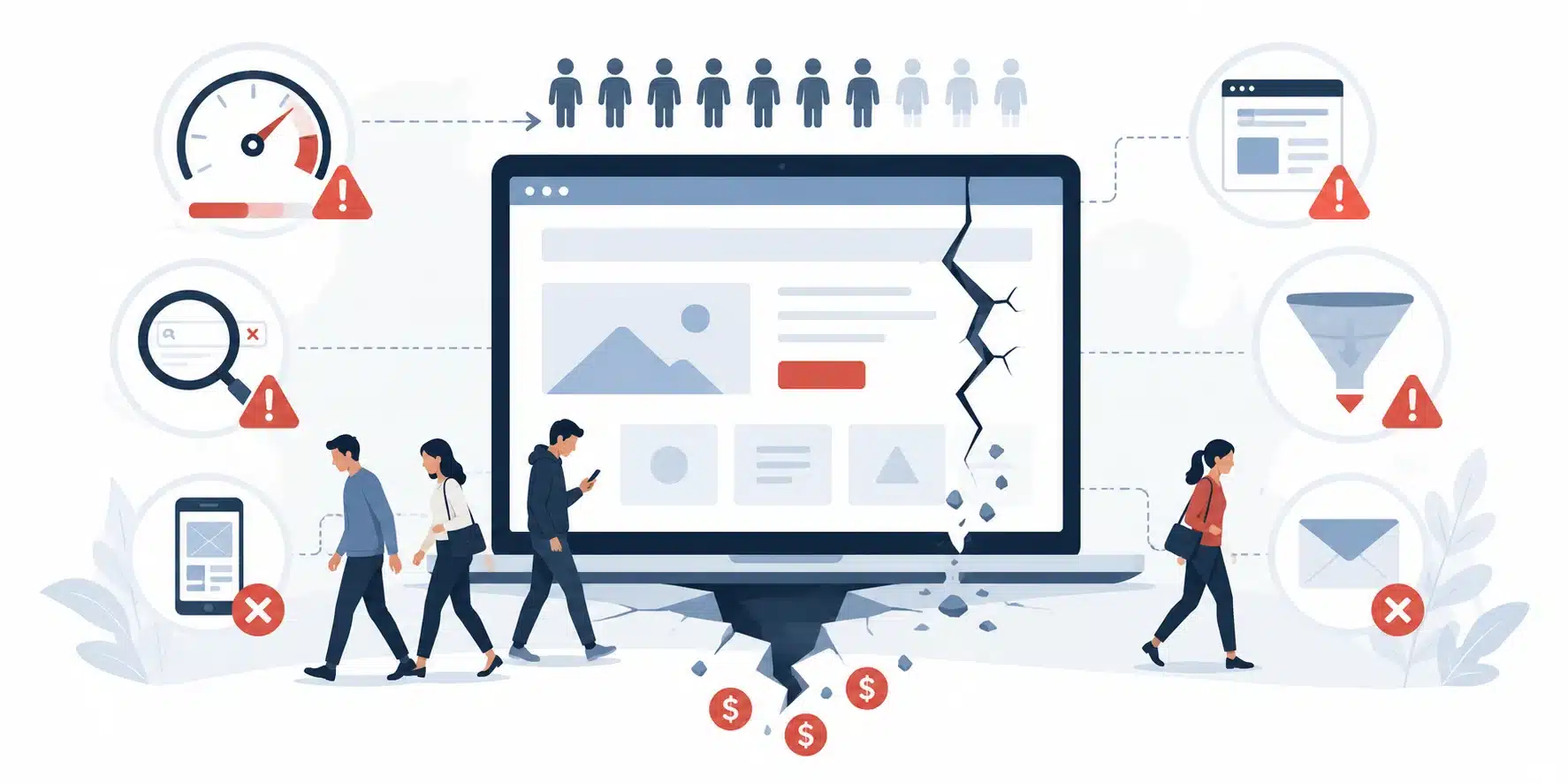
And if you’re receiving plenty of visits but few inquiries or sales, increasing traffic may not be the problem you need to solve first.
Before committing to another channel, review your existing traffic sources, identify where visitors are dropping off, and determine what improvement would have the greatest impact.
Make Your Website Traffic Work Toward Business Goals
Driving traffic to your website takes a combination of visibility, relevant content, and consistent measurement.
Social media, SEO, content marketing, email, and partnerships can all contribute. The challenge is knowing which activities bring in visitors who are genuinely interested in what your business offers.
Start with your current performance, test changes with a clear objective, and use the results to guide your next investment.
If you need help connecting website traffic to leads, sales, and measurable marketing performance, MoDuet’s digital marketing services can help you identify opportunities and build a strategy around your business goals.