Share this article

Here is something most business owners already know but rarely talk about: the people most likely to buy from you have already been to your website. They browsed around, maybe read a few things, and then left. No purchase, no form fill, no call. Just gone.
That happens constantly. It is not a sign that your marketing is broken. People rarely convert on a first visit regardless of how good your offer is. They are comparing options, thinking it over, waiting until the timing feels right. The question is whether you have a plan for when they are finally ready, or whether you are just hoping they remember you.
That is exactly what retargeting strategies are designed to solve.

What Retargeting Actually Is (and Why It Works So Well)
At its core, retargeting is advertising to people who have already encountered your brand. Instead of paying to reach strangers, you are showing up again for people who already took the time to visit your site. That distinction matters enormously.
Think about what it means when someone lands on your pricing page. They are not casually browsing. They are considering spending money, evaluating whether you are the right fit, weighing their options. If they leave without reaching out, that does not mean you lost them. It means they need more time, or more information, or just a nudge at the right moment. A well-placed retargeting ad can be exactly that nudge.
The psychological mechanism here is simple but powerful. Familiarity breeds trust, and trust is what moves people from “maybe” to “yes.” Someone who has seen your brand two or three times in the right context is far more receptive than someone who has never heard of you. That is why retargeting consistently outperforms cold audience campaigns on conversion rates and cost per acquisition.
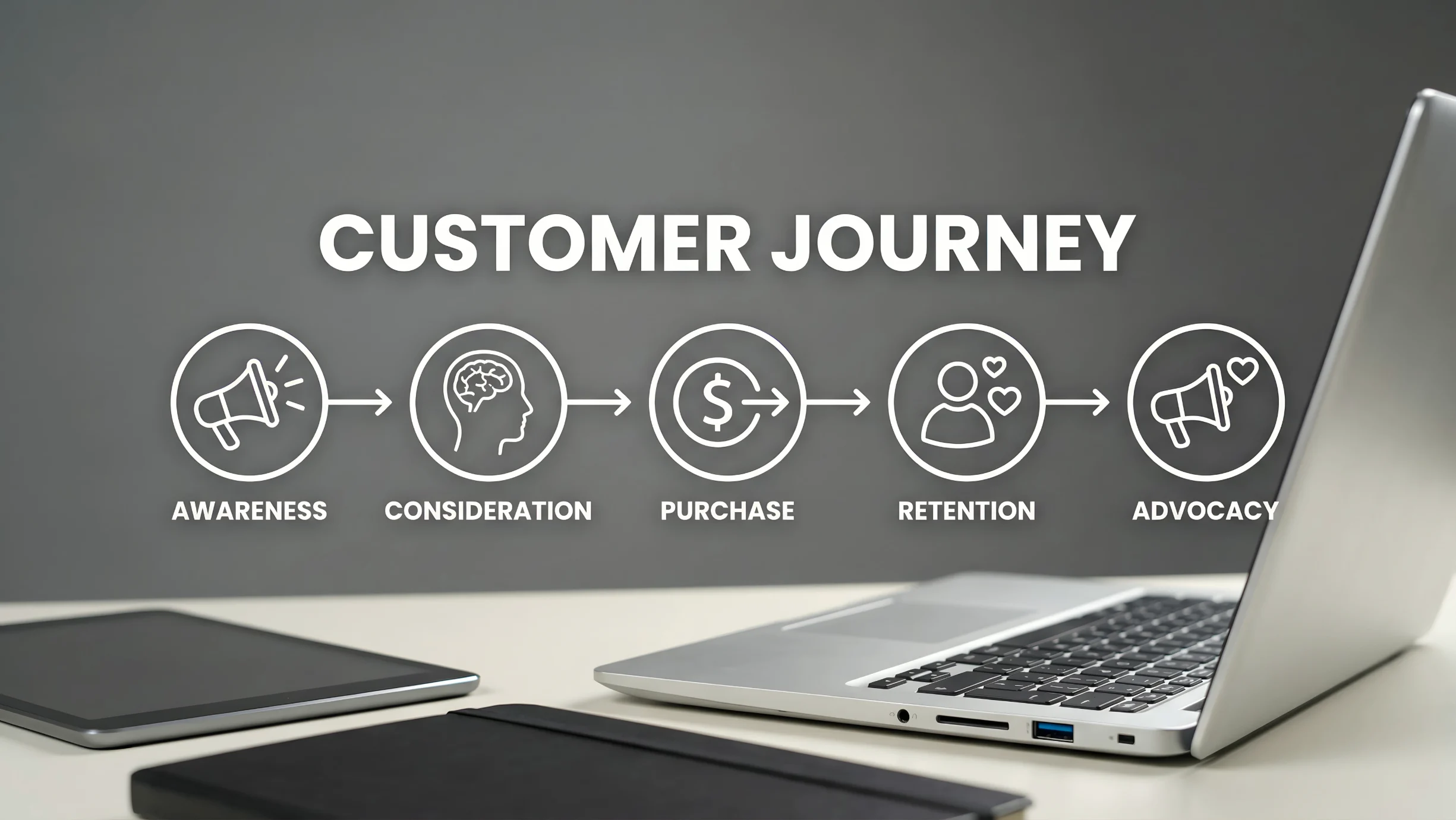
For businesses already investing in SEO or paid search, retargeting is what turns that traffic into a full funnel rather than a collection of one-time visits.
Getting Your Pixel Setup Right From the Start
Most retargeting runs on pixel technology, which is essentially a small piece of code that sits on your website and tells ad platforms who has been there. Google, Meta, LinkedIn they all have their own versions. When someone visits a page, the pixel fires, that visitor gets added to an audience, and you can now serve them ads across the web.
Simple enough. But here is where most businesses go wrong: they install the pixel, build one big audience called something like “all website visitors,” and run the same ad to everyone. That approach barely scratches the surface of what retargeting can do.
The real power comes from segmentation. A person who spent six minutes reading your about page and your services page is in a completely different mindset than someone who bounced after ten seconds. Treating them identically wastes budget and misses the point. Separate your audiences by behavior. People who hit your pricing page. People who started filling out a contact form but did not submit. People who read three or more blog posts. Each group is telling you something about where they are in the buying process, and your ads should speak to that specifically.
Match the Message to the Moment
This is where a lot of retargeting campaigns feel awkward or pushy, and it is usually because the ad creative does not match the visitor’s intent.
Someone who read a blog post about your industry is in research mode. They are curious, not committed. Hitting them with a “Buy Now” or “Get a Free Quote Today” ad right away can feel jarring. A better move is to offer them something useful, a relevant case study, a helpful resource, a quick explanation of how you work. Build a little more familiarity before asking for anything.
Contrast that with someone who visited your contact page twice in one week. That person is ready to talk. Direct, specific messaging with a clear next step is exactly what they need. Social proof helps here too a short testimonial, a concrete result, something that answers the unspoken question “but can they actually deliver?”
Worth mentioning: even the most well-targeted ad loses its impact if it sends someone to a page that loads slowly, looks outdated, or does not match what the ad promised. How your website design affects conversion rates is a whole topic in itself, but the short version is that retargeting spend and landing page quality are inseparable. One without the other is money left on the table.
Do Not Sleep on Email Retargeting
Paid retargeting gets most of the attention, but if you have an email list, you are already sitting on a retargeting channel that costs you nothing in ad spend.
Picture this: someone downloads one of your guides, ends up on your email list, visits your services page a few days later, and then goes quiet. A thoughtful email sequence triggered by that behavior can do a tremendous amount of work. Not aggressive, not spammy. Just timely, relevant follow-up that acknowledges where they are in their thinking and gives them a reason to take the next step.
Businesses that pair a content marketing strategy that supports their paid efforts with email nurture sequences often find they need to spend less on retargeting ads because the email channel is already doing the heavy lifting for warm leads. SEO-driven blog traffic builds email lists organically, and those lists become a retargeting asset you own outright, with no cost-per-impression attached.
Dynamic Retargeting: Personalization at Scale
For businesses with larger product or service catalogs, dynamic retargeting is worth understanding. Instead of serving everyone the same ad, the platform automatically populates the creative with content specific to what that person looked at. An e-commerce store might show someone the exact jacket they spent three minutes examining. A service business might highlight the specific solution or industry page a prospect visited.
It requires a bit more setup and a website architecture that supports clean, organized URL structures. But the results tend to justify the effort, especially when the underlying site is built well enough to track user behavior accurately.
Frequency Caps: The Detail Most People Ignore
Retargeting without a frequency cap is how you turn interested prospects into annoyed ones. Nobody wants to see the same ad eleven times in a week. At some point it stops being marketing and starts feeling like surveillance.
Set a cap. Three to five impressions per person per week is a reasonable starting point for most campaigns. Rotate your creative so that even repeat viewers are seeing something slightly different. Refresh the ads every few weeks. These small adjustments protect your brand perception while keeping your name in front of the right people without overstaying your welcome.
Strong, consistent branding makes a difference here too. When someone sees your ad multiple times and the visual identity is cohesive across every touchpoint, including your website, your emails, and your social presence, each impression compounds. It builds recognition rather than fatigue.
Measuring What Actually Matters
A lot of marketers obsess over click-through rates on retargeting campaigns, but clicks are not always the best signal. Many retargeting conversions happen through what platforms call view-through attribution, meaning someone saw your ad, did not click, but came back on their own later and converted. If you are only counting clicks, you are likely undercounting the real impact.
Look at cost per acquisition. Look at assisted conversions in your analytics. Track whether organic and direct traffic improves in tandem with your retargeting activity. The full picture is almost always more interesting than any single metric.
Retargeting Works Best as Part of a Bigger System
Retargeting is not magic on its own. It works because it sits downstream from everything else: good SEO that brings in qualified traffic, content that gives people a reason to stick around, a website that makes a strong first impression, and branding that stays consistent everywhere people encounter you. When all of those pieces are in place, retargeting becomes remarkably efficient at turning interest into action.
If your business is generating traffic but struggling to turn visitors into customers, that gap is worth examining. Sometimes the issue is the retargeting setup. Sometimes it is the landing experience. Often it is both.
MoDuet works with businesses across the United States to build marketing systems that actually convert, covering everything from digital strategy and paid media to web design, content, and branding. If you want a second set of eyes on what you have, or want to build something from scratch, we are happy to talk through what makes sense for your situation.

We Want To Talk To You About Your Marketing Goals.
Let’s Supercharge Your Online Growth!
By submitting the form, you agree to the Terms of Service and Privacy Policy
We Want To Talk To You About Your Marketing Goals.
Let’s Supercharge Your Online Growth!