
Share this article

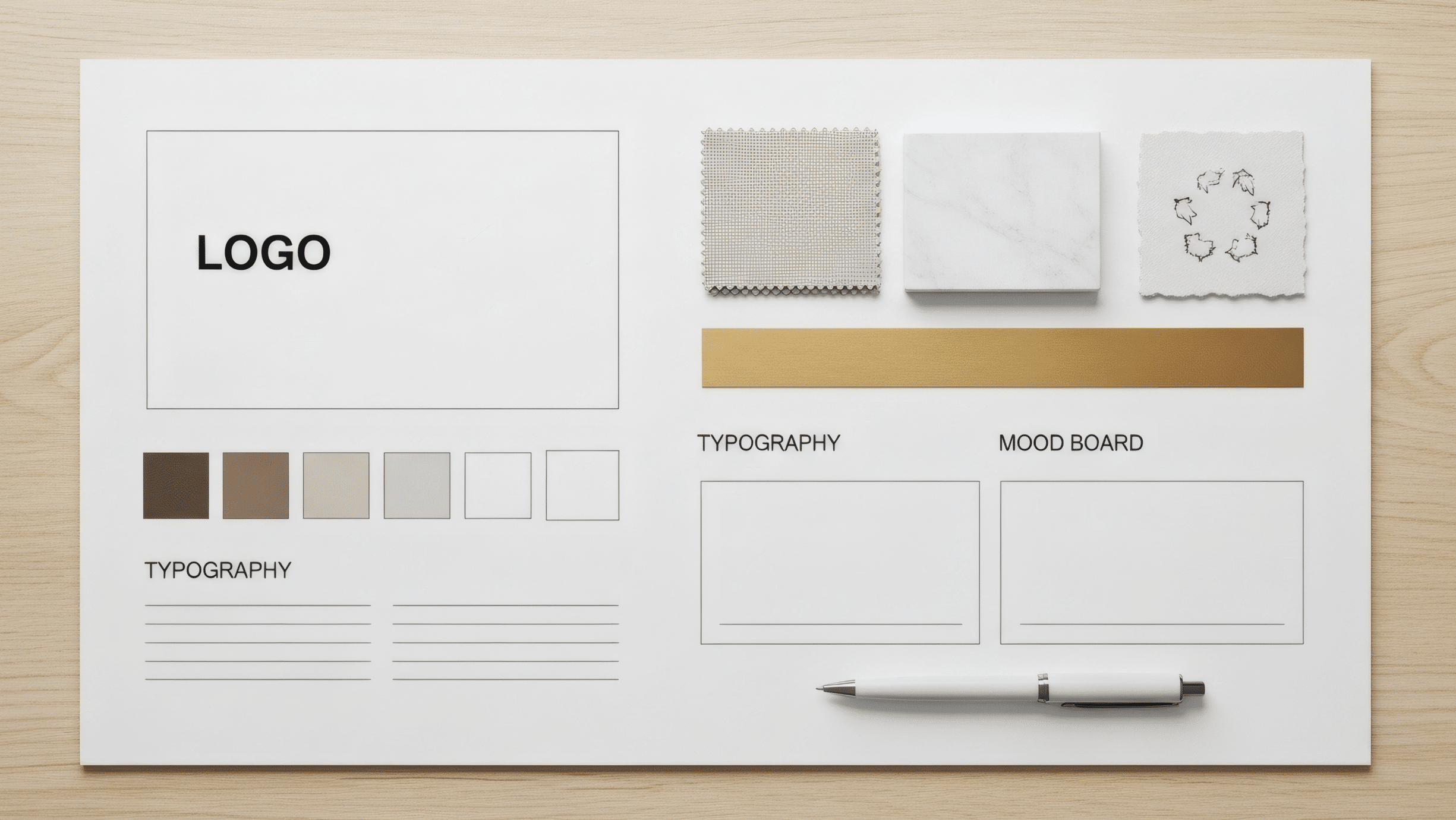
A strong brand is more than just a logo or a catchy slogan. It’s the complete experience your customers have with your company. A branding guide, or brand book, is the rulebook that keeps this experience consistent. It tells everyone on your team how to present the brand, from colors and fonts to the tone of voice. But creating a useful guide can be tricky. Many businesses create documents that are either too rigid, too vague, or simply ignored.
Making mistakes with your branding guide can lead to a muddled brand identity, confusing your customers and weakening your market position. We’ll explore the common pitfalls businesses fall into when developing their branding guidelines. You will learn how to create a document that empowers your team and builds a consistent, memorable brand.

Forgetting Your Audience
A frequent error is creating a branding guide that only makes sense to the design team. The guide is for everyone: marketers, salespeople, social media managers, and even external partners. If it’s filled with technical jargon that only a designer understands, it will not be used correctly.
Your guide should be clear and accessible to a non-designer. Instead of just listing a color as #0A74DA, explain when and where to use it. For example, specify that this shade of blue is for primary call to action buttons and headline text.
Practical Takeaway: Before finalizing your guide, have someone from a non creative department, like sales or HR, review it. If they can understand and apply it, you are on the right track.
Making It Too Rigid
Your brand needs to be consistent, but it also needs to be flexible. A branding guide that is too strict can stifle creativity and prevent your brand from adapting to new marketing channels or contexts. Imagine a guide that only allows for one specific type of social media post. This would make it very difficult to create engaging content for different platforms like TikTok and LinkedIn, which have very different audiences and formats.
A great example of a brand that balances consistency with flexibility is Spotify. Their core brand elements, like their recognizable green color and font, are always present. However, their marketing campaigns, like the annual “Wrapped” event, showcase incredible creativity. The visual style is fresh and exciting each year, yet it always feels distinctly Spotify.
Practical Takeaway: Create guidelines, not unbreakable laws. Provide a “don’t” section showing clear misuses of the brand, but also offer a “do” section with a variety of good examples. This shows your team what is possible within the brand framework. You can also explore our brand identity services to see how we build flexible systems.
Inconsistency Across Platforms
Your branding guide should detail how your brand appears everywhere, both online and offline. A mistake many businesses make is focusing solely on their website and print materials while neglecting other touchpoints. Your email signatures, social media profiles, presentation templates, and even your physical office space are all part of your brand experience.
Think about how your logo will look as a tiny favicon in a browser tab or as a profile picture on Instagram. Does your brand voice translate from a formal business proposal to a playful tweet? Your guide must provide direction for all these scenarios to ensure a cohesive experience for your customers.
Practical Takeaway: Audit every single touchpoint where a customer might interact with your brand. Create a checklist and ensure your branding guide provides instructions for each one. This level of detail ensures true consistency.
Neglecting Brand Voice and Tone
Many branding guides focus heavily on visual elements like logos and colors but offer little guidance on how the brand should sound. Your brand’s voice is a crucial part of its personality. Is your brand professional and authoritative? Or is it friendly and humorous?
Without clear guidelines, one employee might write website copy that is very formal, while another posts a casual, emoji filled update on social media. This inconsistency can confuse your audience. Mailchimp is a company that excels at this. Their content style guide, which is available publicly, details their voice and tone perfectly. They are helpful and informal but always experts.
Practical Takeaway: Dedicate a full section of your guide to voice and tone. Include a list of “words we use” and “words we avoid.” Provide examples of writing that perfectly captures your brand’s personality. Our content marketing services can help you define and maintain a consistent brand voice.
Creating It and Forgetting It
Perhaps the biggest mistake of all is treating the branding guide as a one time project. You create it, send it out in an email, and then it gets buried in a folder, never to be seen again. A branding guide is a living document. Your business will evolve, new marketing channels will emerge, and your brand may need to adapt.
Your guide should be reviewed and updated periodically, perhaps once a year. It should be easily accessible to everyone in the company, stored in a central location like a shared drive or company intranet. When new employees join, their onboarding should include a thorough review of the brand guidelines.
Practical Takeaway: Schedule an annual review of your branding guide. Make it part of your marketing team’s regular process. When you update it, communicate the changes clearly to the entire company to ensure everyone is working with the latest version.
Build a Brand That Lasts
A well crafted branding guide is an invaluable tool for building a strong, consistent brand. By avoiding these common mistakes, you can create a practical, user friendly document that empowers your team and ensures your brand is presented cohesively everywhere. This consistency builds trust and recognition with your audience, which is the foundation of a successful business.
If you need help creating a powerful branding guide or refreshing your existing one, our team at MoDuet is here to help. We specialize in building memorable brands that connect with customers.

We Want To Talk To You About Your Marketing Goals.
Let’s Supercharge Your Online Growth!
By submitting the form, you agree to the Terms of Service and Privacy Policy
We Want To Talk To You About Your Marketing Goals.
Let’s Supercharge Your Online Growth!